
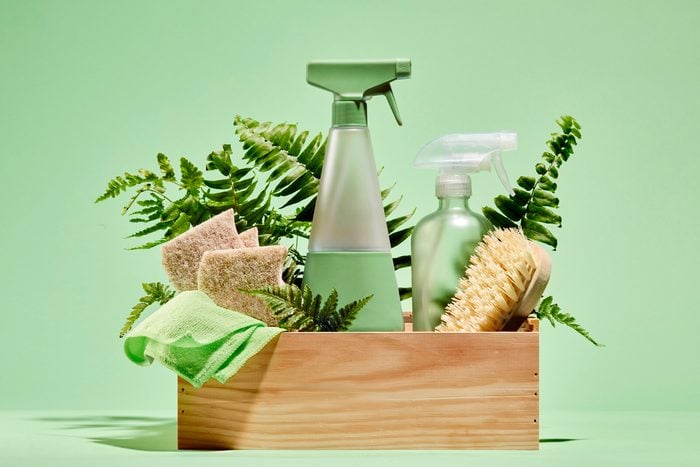
Central Texas homeowners care about their community — and that extends to how we clean our homes. From the water that drains into the Lampasas and Leon Rivers to the air quality inside the homes where our families sleep, the products and methods we use for cleaning matter more than most people realize. Here's how to make your eco-friendly cleaning routine practical, effective, and tailored to life in Texas.
Why Green Cleaning Matters in Central Texas
Central Texas faces specific environmental challenges that make eco-friendly cleaning more than just a feel-good choice:
- Hard water. Bell County water is notoriously hard, loaded with calcium and minerals. Harsh chemical cleaners react with hard water deposits and create buildup that's tougher to remove. Natural alternatives like vinegar-based solutions actually work better on hard water stains.
- Allergen season. Cedar pollen (December–March), oak pollen (spring), and ragweed (fall) mean Central Texas homes need frequent cleaning. Conventional cleaning products with artificial fragrances can aggravate allergies on top of the pollen — not ideal.
- Septic systems. Many homes outside Temple and Belton city limits use septic tanks. Harsh chemical cleaners — especially antibacterial products and bleach-heavy formulas — can kill the beneficial bacteria that keep septic systems functioning properly.
- Water conservation. Texas drought conditions are a recurring reality. Eco-friendly cleaning often means using less water and choosing concentrated products over diluted spray bottles shipped across the country.
5 Natural Cleaning Products That Actually Work
You don't need a cabinet full of specialty products. These five staples handle the vast majority of household cleaning tasks:
1. White Vinegar
The workhorse of natural cleaning. Cuts through grease, dissolves hard water deposits, and disinfects surfaces. Mix equal parts vinegar and water in a spray bottle for an all-purpose cleaner that handles countertops, glass, and bathroom fixtures. It's especially effective on the mineral buildup that Temple water leaves on shower doors and faucets.
2. Baking Soda
A gentle abrasive that deodorizes and scrubs without scratching. Sprinkle it in sinks, tubs, and ovens, then scrub with a damp cloth. Combine with vinegar for a fizzing action that loosens stubborn grime in drains and grout lines.
3. Castile Soap
A plant-based soap that works on everything from floors to dishes to countertops. A few drops in warm water creates an effective all-purpose cleaner. Dr. Bronner's is the most widely available brand — you can find it at H-E-B right here in Temple.
4. Hydrogen Peroxide (3%)
A natural disinfectant and whitener. Spray it on cutting boards, bathroom surfaces, and grout for sanitizing power without the chemical residue of bleach. It breaks down into water and oxygen — nothing harmful left behind.
5. Essential Oils (Optional)
Tea tree oil has natural antibacterial properties. Lemon oil cuts grease and smells fresh. Lavender is calming and mildly antiseptic. A few drops added to your vinegar or castile soap solution gives you a pleasant scent without the synthetic fragrances found in conventional products.
Room-by-Room Green Cleaning Guide
Kitchen
- Countertops: vinegar-water spray or diluted castile soap
- Stovetop: baking soda paste, let sit 15 minutes, scrub with damp cloth
- Sink: baking soda + vinegar, rinse with hot water
- Microwave: bowl of water with lemon slices, microwave 3 minutes, wipe clean
- Cutting boards: spray with hydrogen peroxide, let sit 5 minutes, rinse
Bathrooms
- Toilet: baking soda in bowl, spray vinegar, scrub after 10 minutes
- Shower glass: straight vinegar in spray bottle, let sit, squeegee off
- Tile grout: baking soda paste with hydrogen peroxide, scrub with old toothbrush
- Mirrors: vinegar-water spray with microfiber cloth (no streaks)
Floors
- Hardwood: diluted castile soap (1 tablespoon per gallon of warm water), damp mop
- Tile: vinegar-water solution with a few drops of tea tree oil
- Carpet: baking soda sprinkled before vacuuming absorbs odors (especially helpful for pet owners)
What to Avoid
Going green doesn't mean everything "natural" is safe or effective. Skip these common mistakes:
- Vinegar on natural stone. Marble, granite, and travertine are acid-sensitive. Use pH-neutral castile soap instead.
- Mixing vinegar and baking soda for storage. The fizzing reaction is useful for spot cleaning, but once it stops fizzing, the mixture is essentially salt water — not a cleaner. Use them separately or together in the moment.
- "Green" products that aren't. Terms like "natural" and "eco-friendly" aren't regulated. Look for EPA Safer Choice certification or EWG-verified labels if you're buying commercial products.
- Essential oils around pets. Some essential oils (tea tree, eucalyptus, peppermint) can be toxic to cats and dogs. If you have pets, stick to lemon or lavender in diluted amounts, or skip them entirely.
Eco-Friendly Cleaning with AMerryClean
When you book with AMerryClean, you can request green cleaning products. Our cleaners bring their own supplies, and many already use eco-friendly products as their standard. If environmental cleaning is a priority for your household — especially if you have young children, pets, or allergy sensitivities — just note it when you book and we'll match you with a cleaner who specializes in green cleaning methods.
Every AMerryClean service comes with flat-rate pricing, background-checked professionals, and a 100% satisfaction guarantee — whether you go green or conventional.
Want a cleaner home without the chemical footprint? Book an eco-friendly cleaning with AMerryClean today — flat-rate pricing, green options, and results you can see.